
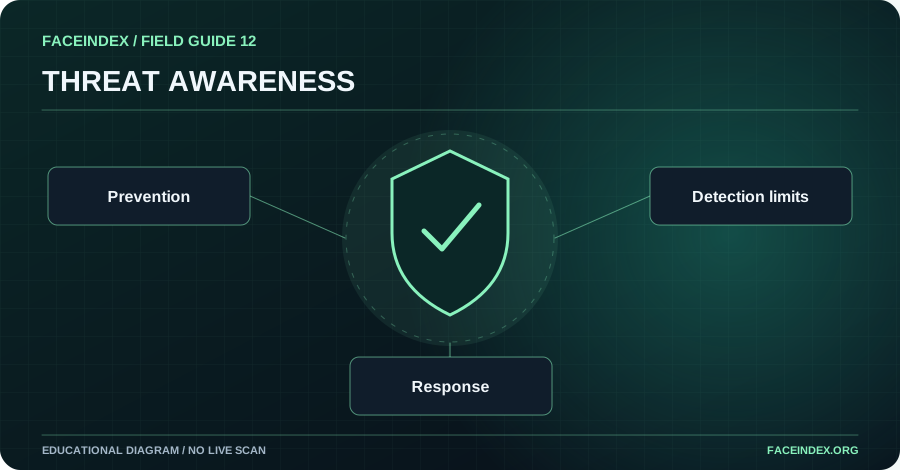
AI deepfake detection is not a guaranteed way to establish image authenticity. Protect your accounts, reduce unnecessary exposure and keep relevant publication records. If synthetic intimate imagery is used against you, prioritize reporting and safety rather than trying to prove a specific generation technique.
What makes synthetic intimate-image abuse harmful
Manipulated images can be used to misrepresent someone, harass them or demand money. The harm does not depend on whether the depiction is authentic. A prevention plan should recognize the limits of technical defenses and avoid placing responsibility on the affected person.
Practical steps within your control
Review account visibility, sharing permissions and access to cloud albums. Use unique passwords and multifactor authentication where available. Keep original records in secure storage, and avoid accepting unknown access requests or sharing sensitive files through unfamiliar services. These steps reduce some exposure but cannot eliminate the risk of misuse.
Evaluate tools cautiously
Deepfake detectors may be trained on limited collections or specific generation methods. Their signals can change after editing or compression, and false results occur. Ask whether a vendor publishes independent evaluation information and how it handles uploaded material. Do not submit intimate media just to test an unverified detector.
Set an incident response plan
If you learn of a suspected deepfake, preserve the relevant page address without redistributing it. Report it using the provider's appropriate intimate-image, impersonation or synthetic-media category. Consider eligible search-result removal and obtain trusted support if the situation involves threats or extortion.
Step-by-step action checklist
- Review access to personal accounts and shared albums.
- Keep private originals and relevant publication records.
- Document known misuse without sharing intimate content.
- Report the incident using official procedures.
What responsible action looks like
A creator learns that a synthetic image is attached to a false profile. Their response combines an impersonation report with the platform's relevant intimate-image abuse process, without relying on a detector as proof of identity.
Can watermarking make an image deepfake-proof?
No. Watermarks can be altered or removed, and they do not prevent all manipulation. Use them only as one part of a wider protection plan.